
BK Development's Blog
Local SEO: How to Get Your Business Found in Your Area
When someone searches Google for a service or business near them, they're often looking for someone they can contact, visit or work with. Whether they're searching for an electrician in Flintshire, a wedding photographer in Cheshire or a web designer in North Wales, appearing in those local search results can make a real difference to your business.
This is where local SEO comes in.
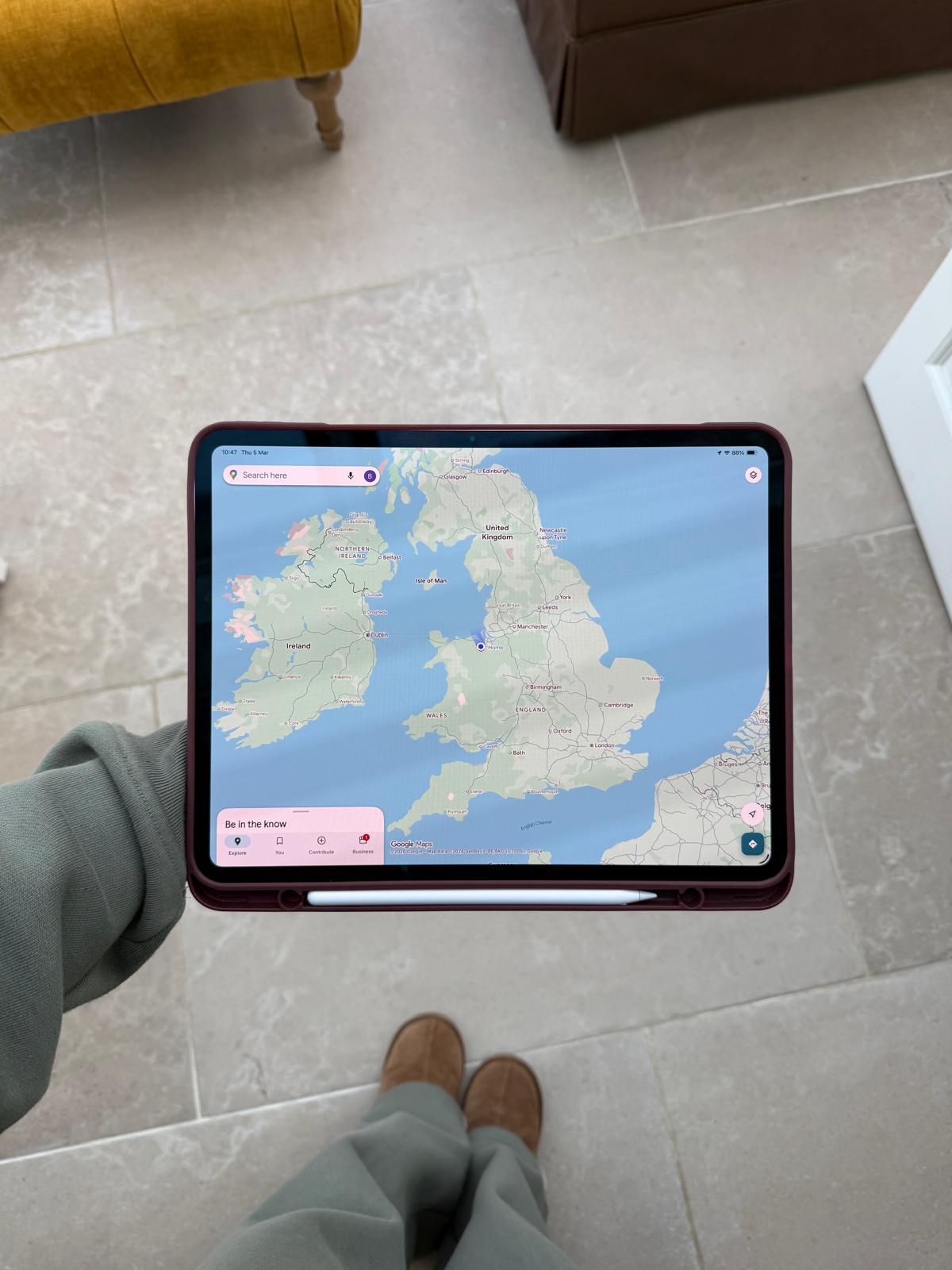
Local SEO helps businesses improve their visibility in location-based searches, making it easier for potential customers in their area to discover what they offer. For small businesses that rely on local customers, it can be one of the most valuable parts of an SEO strategy.
But how does local SEO actually work, and what can you do to help your business appear in more relevant searches?
What Is Local SEO?
Local SEO, or local search engine optimisation, is the process of improving your online presence so your business is more visible to people searching for products or services in a particular location.
Traditional SEO focuses on improving your website's visibility across relevant searches, regardless of where the person searching is based. Local SEO adds geographical relevance to that process.
For example, someone searching for "electrician" may see different results depending on their location. Someone searching for "electrician in Mold" is making their location much more specific.
Google uses information about the business, the search query and the searcher's location to help determine which results are most relevant.
Local search results can appear in several places, including:
- Google Maps.
- The local map results, often called the local pack.
- Standard organic search results.
- Business information panels and profiles.
The aim is to make sure your business has a clear, accurate and consistent online presence that helps search engines and potential customers understand what you do and where you operate.
Why Is Local SEO Important for Small Businesses?
If your business serves a particular town, county or region, you want to reach people who are realistically able to become customers.
Local SEO can help you:
You might have a fantastic website, but if it isn't clear where you operate or which areas you serve, you could be missing opportunities to appear in relevant local searches.
Reach people searching for your services nearby
People searching for services in their area are often already considering making an enquiry. Appearing in relevant searches can help introduce your business to potential customers at the right time.
Build trust and credibility
A complete Google Business Profile, consistent business information, customer reviews and a professional website all help people understand who you are and what you offer.
Compete with larger businesses
You don't necessarily need to compete nationally to attract the right customers. A well-planned local SEO strategy can help smaller businesses establish visibility in the areas they serve.
Attract more relevant website traffic
The aim isn't simply to increase visitor numbers. It's to attract people who are looking for the services you provide and are within your target area.
7 Ways to Improve Your Local SEO
1. Set Up and Optimise Your Google Business Profile
One of the most important starting points for local SEO is your Google Business Profile. This is the business listing that can appear in Google Search and Google Maps when someone searches for your business or the services you provide.
A complete and accurate profile helps Google understand your business and gives potential customers useful information before they even visit your website.
Start by making sure your profile includes:
- Your correct business name
- The most relevant primary business category
- Additional categories where appropriate
- An accurate address or service area, depending on your business setup
- Your website address and contact details
- Opening hours, including any seasonal changes
- A clear description of your business and services
- Relevant photographs of your premises, work, products or team
If you visit customers rather than operating from a public-facing premises, make sure your profile is configured appropriately as a service-area business. You shouldn't publish a residential address if customers aren't served there.
It's also important to verify your profile and keep the information up to date.
Google identifies relevance, distance and prominence as the main factors behind local search rankings. A complete profile can help Google understand how relevant your business is to a search, although it cannot guarantee a particular position. Source: Google Business Profile Help
2. Include Your Location Naturally Throughout Your Website
Your website should make it clear where your business is based and which areas you serve.
If you're a local business in North Wales, for example, simply mentioning "North Wales" once on your homepage may not provide enough context about your services and coverage.
Consider including relevant location information in:
- Your homepage introduction.
- Your About page.
- Individual service pages.
- Your contact page.
- Your page titles and meta descriptions.
- Relevant blog posts and case studies.
For example, rather than only using a generic heading such as "Our Services", you could use a more descriptive heading where it makes sense, such as "Electrical Services in Flintshire and Cheshire".
The important thing is to make location references useful and natural. Avoid repeating the same town names unnecessarily or creating pages that simply swap one location for another without offering anything genuinely different.
Your content should always be written for the people visiting your website, not just search engines.
3. Create Dedicated Service and Location Pages Where They Make Sense
If your business provides several services across different areas, it may be worth creating dedicated pages to target those services and locations.
If it genuinely serves distinct areas, it could also create location-specific pages explaining the work it carries out in those places.
For example, a business offering landscaping services across North Wales might have separate pages explaining its garden design, landscaping and maintenance services.
- The services available in that area.
- Examples of relevant local projects.
- Information about the areas covered.
- Frequently asked questions from customers in that location.
- Relevant testimonials or case studies.
Only create these pages where there is enough useful information to justify them. Publishing lots of near-identical location pages can make your website repetitive and offer little value to visitors.
A useful location page should offer something more than a town name inserted into an existing paragraph. It could include:
A smaller number of genuinely useful pages is often a better approach.
4. Keep Your Business Information Consistent
Your business information should be accurate and consistent wherever customers find you online.
Check the details displayed across:
- Your website.
- Google Business Profile.
- Social media profiles.
- Business directories.
- Industry-specific listings.
- Local business networks.
If your phone number has changed or you've moved premises, update your information wherever possible.
This includes your business name, address, phone number and website address.
You don't need to submit your business to hundreds of directories. Focus on reputable, relevant platforms and make sure the information you provide is accurate.
5. Encourage Genuine Customer Reviews
Customer reviews are important for building trust, particularly when someone is comparing local businesses before making a decision.
Reviews can help potential customers understand the experience of working with your business and give them more confidence to get in touch.
Consistency helps customers contact the right business and reduces confusion when search engines encounter different versions of your details.
To build up your reviews:
- Ask satisfied customers if they'd be happy to leave feedback.
- Make it easy by sharing a direct link to your Google review page.
- Follow up politely after completing a project or providing a service.
- Respond professionally to reviews, including constructive or negative feedback.
- Never buy reviews or offer incentives in exchange for positive ratings.
Reviews and positive ratings can also contribute to local search prominence, according to Google. However, there is no guaranteed number of reviews that will secure a particular ranking.
The best approach is to make collecting genuine feedback a regular part of your customer experience.
Think about how you choose a tradesperson, restaurant or service provider. You might look at their website, but you're also likely to check what previous customers have said about them.
6. Publish Useful, Locally Relevant Content
Your website content gives search engines more information about your business, services and areas of expertise.
Publishing useful content can help you target searches beyond your main service pages while answering questions potential customers may have.
For example:
- A wedding photographer could write about popular wedding venues in North Wales.
- A builder could showcase recent renovation projects in the local area.
- A holiday let could publish guides to nearby attractions and places to visit.
- An accountant could write about common financial questions from local small businesses.
You could also use project case studies to demonstrate the work you've completed for customers in different locations.
The key is to create content that is genuinely useful and relevant to your audience. Don't write articles purely to mention a particular town or location. Think about what someone searching in that area would actually want to know.
Over time, a well-developed content library can help establish your website as a useful resource within your industry and local area.
7. Make Sure Your Website Is Technically Sound
Even with a well-optimised Google Business Profile and useful local content, your website still needs a solid technical foundation. A slow, difficult-to-use or poorly structured website can create a frustrating experience for potential customers.
As part of your local SEO efforts, check that:
- Your website works properly on mobile devices.
- Pages load efficiently.
- Your navigation is clear and straightforward.
- Important pages can be found and indexed by search engines.
- Page titles and meta descriptions are relevant.
- Internal links connect related pages.
- Your contact information is easy to find.
- Your website uses HTTPS.
You can also consider adding LocalBusiness structured data to your website where appropriate. This is a type of structured data that helps search engines understand information about your business, such as its name, address and opening hours.
Structured data needs to accurately reflect the information visible on your website. It can help search engines interpret your business details, but it doesn't guarantee enhanced search appearances or better rankings.
Local SEO for Businesses That Cover Multiple Areas
Not every local business operates from one fixed location. Tradespeople, consultants, photographers and other service providers may work across several towns, counties or regions. If this applies to your business, make sure your website clearly explains your service area.
For example, a business based in Flintshire might work with customers across:
- Flintshire
- Wrexham
- Denbighshire
- Cheshire
- The wider North Wales region
You can reference these areas naturally across your website, particularly where you have relevant projects, customer examples or services to discuss.
However, it's important to understand that adding more locations to your website doesn't mean you'll automatically appear in searches across all of them. Google's local results also consider distance, so a business may be less visible to someone searching further away, even if that location is listed on its website.
Focus on the areas you genuinely serve and build useful content that demonstrates your connection to them.
How Long Does Local SEO Take to Work?
Local SEO isn't an overnight fix.
Some improvements, such as correcting your Google Business Profile information or updating your website's contact details, can be made relatively quickly.
However, building stronger visibility in local search results takes time. Search engines need to discover and understand your content, while your online presence develops through consistent information, useful content, genuine reviews and relevant mentions.
How quickly you see changes depends on several factors, including:
- How established your website and business profile already are
- How competitive your industry is locally
- The areas you're targeting
- The quality of your existing website
- How much SEO work is required
It's worth monitoring your progress through Google Search Console and Google Business Profile performance data, looking at impressions, clicks, search queries and customer interactions.
Remember that improved visibility doesn't always translate directly into more enquiries. It's important to look at the quality of the traffic you're attracting as well as the number of visitors.
Is Local SEO Worth It for Your Business?
If your business relies on customers in a particular area, local SEO is well worth considering.
Whether you're a tradesperson, professional service provider, independent retailer or hospitality business, helping people discover you when they're searching for relevant services nearby can create valuable opportunities.
You don't necessarily need a complicated strategy to get started. Making sure your Google Business Profile is complete, your website clearly explains what you offer and your contact information is consistent can provide a solid foundation.
From there, you can build on your local visibility through useful content, customer reviews, technical improvements and ongoing SEO work.
Need Help Improving Your Local SEO?
At BK Development, we help businesses across North Wales, Cheshire and beyond improve their online presence through practical SEO support. From website SEO audits and on-page optimisation to local search improvements and ongoing SEO, we can help identify opportunities to make your business easier to find online.
If you're not sure where to start, an SEO audit can highlight what's working, where improvements are needed and which actions should be prioritised.
Explore Our SEO Services or get in touch to find out how local SEO could support your business.


