
BK Development's Blog
Does Your Business Need a Website in 2027?
Social media has made it easier than ever for businesses to get themselves noticed online. You can create an Instagram account, set up a Facebook page and start reaching potential customers without spending a penny on a website.
So, with so many ways to promote your business online, is having a website still necessary in 2027?
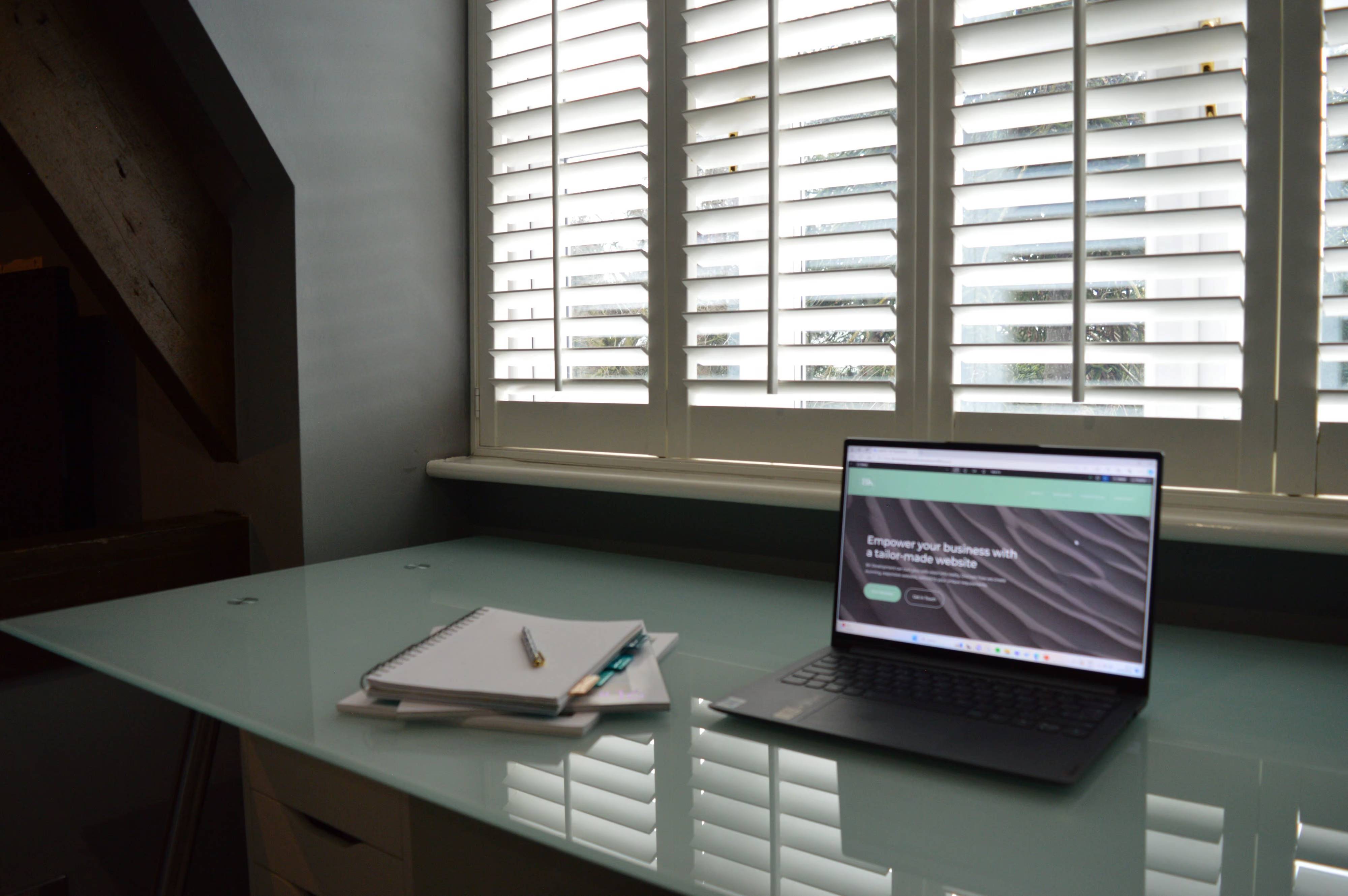
The short answer is yes. While social media and other digital platforms can play an important role in growing your business, your website remains one of the most valuable tools for establishing your online presence, building trust and turning potential customers into enquiries.
Here's why.
1. Your website gives your business a home online
Social media platforms are useful for getting your business in front of people, but you don't own those platforms.
Algorithms change, account restrictions happen and the way content is displayed can change overnight. Your reach can fluctuate, and you're ultimately relying on another company's platform to communicate with your audience.
A website gives your business a dedicated space online that you have much more control over.
You decide how your business is presented, what information visitors see, how your services are organised and how people get in touch. You're not restricted by a social media profile layout or the latest platform changes.
Think of social media as a way to help people discover your business, and your website as somewhere they can go to find out more.
2. It helps build trust and credibility
When someone discovers your business, there's a good chance they'll look you up before deciding whether to make an enquiry or purchase.
A professional website gives potential customers somewhere to learn about who you are, what you offer and why they should choose you.
You can showcase:
- Your services or products.
- Previous projects and examples of your work.
- Customer reviews and testimonials.
- Your experience, qualifications and expertise.
- Contact details and answers to common questions.
Without a website, potential customers may have to piece this information together from different social media posts or profiles.
A well-presented website brings everything together and gives people a clearer picture of your business.
3. Customers can find you through Google
Social media isn't the only way people discover businesses. Many potential customers go straight to Google when they're looking for a particular product, service or local business.
For example, someone might search for:
- An electrician in Flintshire.
- A wedding photographer in Cheshire.
- A holiday cottage in North Wales.
- A local accountant or business consultant.
With a properly structured website and considered SEO, your business has the opportunity to appear for relevant searches and reach people who are already looking for what you offer.
Your website provides the foundation for search engine optimisation, allowing you to create service pages, publish useful content and target relevant keywords.
Simply having a website doesn't guarantee that you'll appear at the top of Google. SEO takes time and ongoing attention, but without a website, your opportunities to build organic search visibility are much more limited.
4. Your website works beyond your opening hours
Unlike a physical shop or office, your website can be accessed at any time.
Potential customers can browse your services, explore your work, read about your business and submit an enquiry whenever it suits them.
Depending on your business, your website could also:
- Allow customers to purchase products online.
- Accept booking requests or appointments.
- Answer frequently asked questions.
- Collect enquiries through contact forms.
- Showcase availability, services or pricing information.
This doesn't mean your website needs to be complicated. Even a relatively simple website can provide useful information and make it easier for people to take the next step.
5. It gives you more opportunities to generate enquiries
Your website should do more than simply tell people that your business exists. It should make it easy for potential customers to understand what you offer and decide what to do next.
A well-designed website considers the journey a visitor takes, from the moment they land on a page to the point where they make an enquiry or purchase.
This might involve:
- Clear descriptions of your services.
- Straightforward navigation.
- Visible contact details and calls to action.
- Testimonials and examples of previous work.
- Contact forms that are simple to complete.
- A responsive design that works across mobile, tablet and desktop.
Every element should help visitors find the information they need and understand how to work with you.
6. It supports your wider marketing
Your website shouldn't sit separately from the rest of your marketing. It should be at the centre of your online presence.
Social media posts can direct people to relevant service pages. Email campaigns can link to products, offers or useful articles. Paid advertising can send visitors to dedicated landing pages, while SEO helps people discover your website through organic search.
Each channel has a different purpose, but your website gives them somewhere to lead.
It also gives you access to useful insights through tools such as Google Analytics and Google Search Console, helping you understand how people find and interact with your website.
But what if social media is already working for my business?
If you're getting enquiries and making sales through social media, it's understandable that a website might not feel like a priority.
However, relying entirely on social media means you're putting a lot of your online presence in the hands of platforms you don't control.
You may also be missing opportunities to reach people who don't use those platforms, prefer researching businesses through Google or want more detailed information before making a decision.
You don't need to abandon social media. In fact, it can be a valuable part of your marketing. The aim is to make your website and social channels work together, rather than relying on one alone.
What kind of website does your business actually need?
Not every business needs a large, feature-packed website. The right solution depends on what you do, who your customers are and what you want your website to achieve.
For some businesses, a simple website with a homepage, about page, service information and contact details is enough to establish a professional online presence.
Others may benefit from:
- Multiple service pages to explain their offering in more detail.
- A portfolio or case study section to showcase previous work.
- A blog to share useful information and build organic search visibility.
- An online shop to sell products.
- Booking functionality to manage appointments or reservations.
- Dedicated landing pages to support specific marketing campaigns.
The important thing is to build a website around your business and its goals, rather than adding functionality you don't actually need.
So, does your business need a website in 2027?
If you want to build credibility, reach more potential customers and have greater control over how your business is presented online, a website is still a worthwhile investment.
It doesn't need to be overly complicated or expensive. What matters is having a website that reflects your business, provides a good experience for visitors and gives people a clear way to take the next step.
Whether you're starting a new business, relying on social media alone or working with a website that no longer reflects what you offer, it could be time to consider what a better online presence would look like.
Looking for a website for your business?
At BK Development, we design and develop tailored websites for businesses across North Wales, Cheshire and beyond.
From new website builds to redesigning existing sites, we combine considered design, user experience and SEO foundations to create websites built around your business.
Explore Web Design & Development or get in touch to discuss your project.


