
BK Development's Blog
10 Signs It's Time to Redesign Your Business Website
Your website is often one of the first places potential customers go to find out about your business. It helps people understand what you offer, get a feel for your brand and decide whether they want to work with you.
But as your business grows, your website needs to grow with it. What worked a few years ago might no longer reflect the business you are today, and an outdated or poorly performing website could be costing you valuable opportunities.
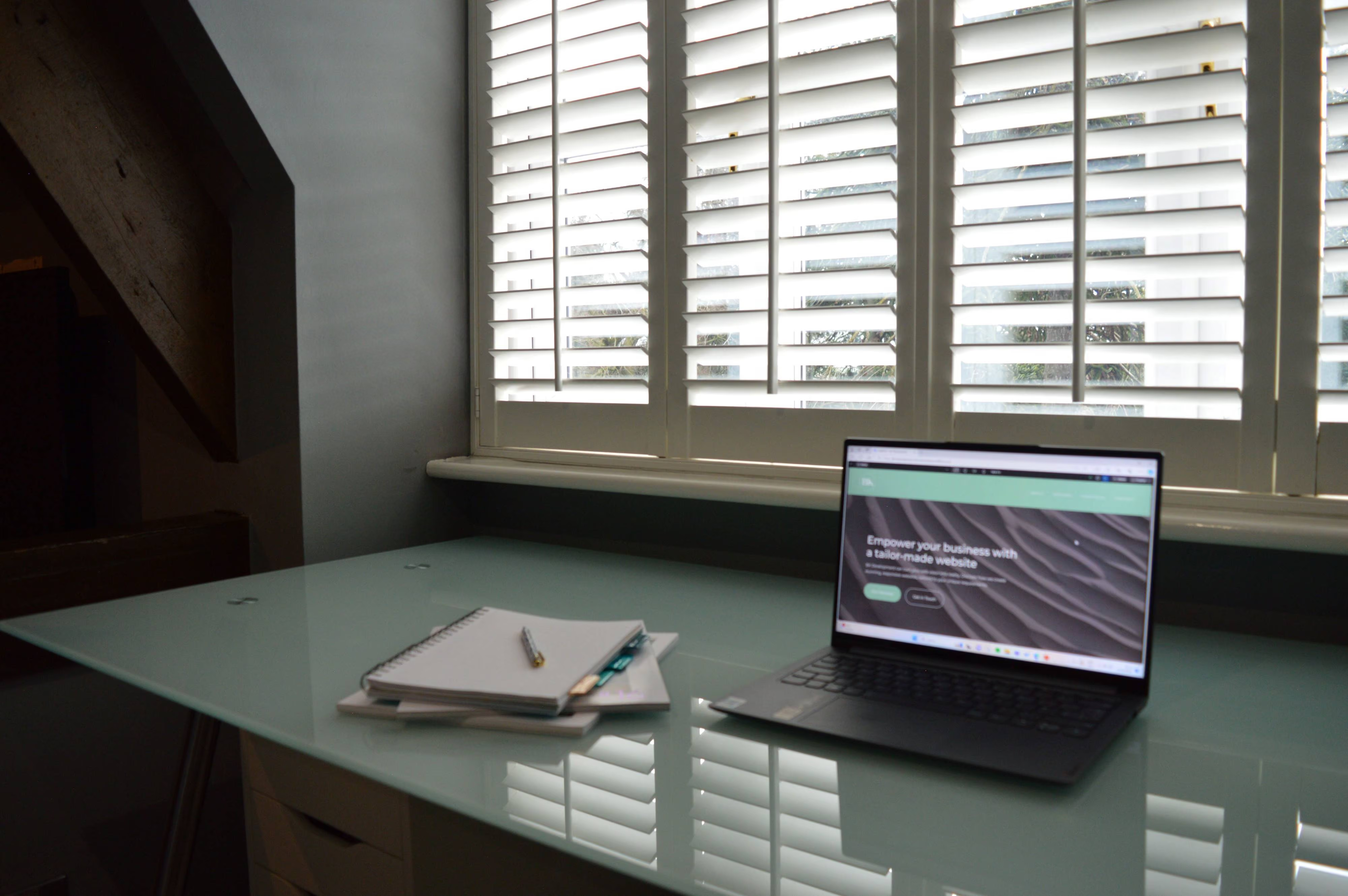
A website redesign isn't always about making things look more modern. It's about making sure your website represents your business properly, provides a positive experience for visitors and supports what you want to achieve.
So, how do you know when it's time for a refresh? Here are 10 signs your business website might need a redesign...
1. Your website no longer reflects your business
Businesses change. You might have introduced new services, expanded into different areas, repositioned your brand or started working with a completely different type of customer.
If your website still reflects what your business looked like three or four years ago, there could be a disconnect between what potential customers see online and what you actually offer today.
Your website should accurately represent your current business, from the services you provide to the way you communicate with customers.
If you find yourself explaining that your website is out of date or doesn't quite show what you do anymore, it's probably time to review it.
2. It looks outdated compared to your competitors
First impressions matter, particularly when someone is comparing several businesses before making a decision.
Design trends naturally evolve, and a website that once looked professional can begin to feel dated. This might be down to old-fashioned layouts, inconsistent fonts, poor-quality imagery, dated graphics or a design that no longer suits your brand.
Your website doesn't need to follow every new design trend, but it should feel current, considered and consistent with the quality of your business.
Take a look at a few competitors' websites. If yours feels noticeably behind in terms of presentation, usability or overall experience, it may be worth considering a redesign.
3. Your website isn't generating enquiries
One of the biggest signs that something isn't working is a lack of enquiries.
If people are visiting your website but aren't getting in touch, requesting a quote or taking the next step, it's worth looking at why.
It could be that your services aren't explained clearly, visitors can't find the information they need, your contact details are difficult to locate or there isn't a clear call to action.
A well-designed website should make it easy for visitors to understand what you offer and what they need to do next.
A redesign can help improve the structure, messaging and user experience, making it easier for potential customers to take action.
4. It's difficult to use on mobile
A large proportion of website browsing now takes place on mobile devices, so your website needs to work just as well on a phone as it does on a desktop.
If visitors have to zoom in to read text, struggle to click buttons, scroll sideways or navigate through a confusing menu, they're unlikely to have a positive experience.
Responsive design is about more than simply making a website fit a smaller screen. Content, navigation, images and layouts should all adapt to make the experience easy and intuitive.
Try browsing your own website on your phone. Can you find your services, understand what you offer and contact the business without any frustration?
If not, it's time to address it.
5. Your website is slow or unreliable
A slow website can quickly frustrate visitors. If pages take too long to load, images don't display properly or certain features regularly stop working, people may leave before they've even had a chance to explore what you offer.
Performance can be affected by several things, including large image files, unnecessary scripts, hosting limitations, outdated plugins and poorly structured code.
A redesign provides an opportunity to review the technical foundations of your website, improve performance and make sure everything works as it should.
It's worth remembering that a complete redesign isn't always necessary to fix a speed issue. Sometimes technical improvements or optimisation work will be enough. The important thing is understanding what's causing the problem before deciding on the best solution.
6. Your website is difficult to update
Your website shouldn't feel like a task you avoid because making even a small change is too complicated.
Perhaps adding a new service requires contacting your original developer, updating a page involves navigating a confusing system or you're unable to make simple changes yourself.
A website should be manageable for the people running the business.
Depending on your requirements, a redesign could include moving to a more suitable platform or improving the way your website is structured, making it easier to update content, add new pages and keep information current.
This is particularly important for businesses that regularly introduce new services, publish updates or showcase completed projects.
7. Your services and information are difficult to find
A website can look great but still provide a poor experience if visitors can't find what they're looking for.
If your navigation is confusing, pages are overcrowded or important information is buried beneath large amounts of text, potential customers may struggle to understand your business.
Think about what someone visiting your website for the first time actually needs to know.
Can they quickly find your services? Is it clear who you work with? Can they see examples of your work, understand your process and find your contact details?
A redesign gives you the opportunity to rethink your website structure and create a clearer journey through your content.
8. Your website isn't supporting your SEO
Having a website doesn't automatically mean people will find it through Google.
If your website isn't appearing for relevant searches, receives very little organic traffic or has pages that aren't properly structured, there could be opportunities to improve its SEO foundations.
Some common issues include:
- Missing or poorly written page titles and meta descriptions.
- Unclear heading structures.
- Pages targeting the same or no clear search terms.
- Thin or outdated content.
- Poor internal linking.
- Technical issues affecting how search engines crawl and understand your website.
A redesign can provide an opportunity to improve your website's structure, content and technical foundations, but it's important to plan SEO carefully throughout the process.
Simply changing the design or launching a new website won't automatically improve your rankings. Existing URLs, redirects, page content and metadata all need consideration to avoid losing valuable search visibility.
If SEO is a priority, it should be part of the redesign from the beginning, rather than something added as an afterthought.
9. You're embarrassed to send people to your website
This one might sound simple, but it's worth paying attention to.
If someone asks for your website and you hesitate before sharing the link, or you find yourself apologising for how it looks, there's probably a reason.
Your website should be something you're confident directing potential customers towards. It should reflect the quality of your work, communicate your value and give people confidence in your business.
If it no longer does that, it could be holding back your wider marketing efforts too.
Whether someone discovers you through social media, a Google search, a recommendation or an advert, your website should help reinforce that positive first impression.
10. Your business has outgrown its current website
Perhaps you started with a simple one-page website when you first launched, but your business has developed significantly since then.
You might now have several services, a larger portfolio, new locations, a growing team or more complex customer requirements.
Your original website may simply not have the structure or functionality needed to support the business you have become.
That doesn't mean every business needs a huge website. It means your website should be built around your current needs and have enough flexibility to accommodate future growth.
Sometimes that means adding a few new pages. Other times, it makes more sense to start again with a clearer structure and a website designed around where your business is heading.
Does your website need a few updates or a complete redesign?
Not every website issue requires starting from scratch.
If your website has a good structure, performs well and is easy to navigate, smaller improvements might be all that's needed. Updating your content, refreshing the design, improving page speed or addressing specific SEO issues could make a noticeable difference.
However, if several of the signs above apply, it may be more cost-effective to consider a complete redesign rather than continually trying to improve a website that no longer meets your needs.
The best starting point is to look at your website as a whole: how it looks, how it works, how people use it and whether it's helping you achieve your business goals.
Ready to give your website a refresh?
Your website should work as hard as you do. It should represent your business, make a positive impression and help turn visitors into customers.
At BK Development, we work with businesses across North Wales, Cheshire and beyond to design and develop websites that combine considered design, user experience and strong technical foundations.
Whether you need a complete redesign or want to explore what's holding your current website back, we would be happy to discuss your options.
Explore our Web Design & Development services or get in touch to talk about your website.


